

Los Angeles Tasting Events: Planning Buyer Dinners and Brand Experiences in DTLA
A new product deserves time with the people who will buy it, recommend it or tell its story. A private tasting or hosted dinner gives food and beverage brands room to introduce a range, explain the thinking behind it and hear detailed feedback from a selected audience.
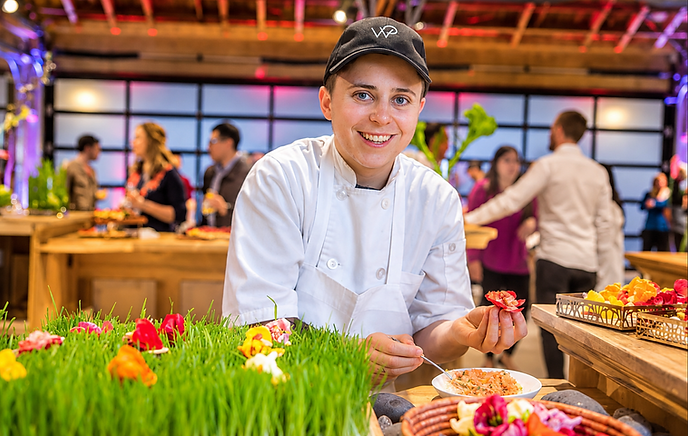
For national and international brands planning a Los Angeles launch, the strongest guest list starts with people who have a reason to be in LA: local retail and distribution partners, chefs, hospitality buyers, media and creators. Build the program around those relationships and a clear business objective, whether that is a spring product preview, a buyer dinner or a dedicated brand experience.
City Market Social House offers a private event setting in Downtown Los Angeles’ Fashion District. Its flexible interior, open-air courtyards and commercial show kitchen create options for a program built around tasting and conversation.
Build the Guest List Around Los Angeles
Start with the contacts the brand wants to meet in Los Angeles, then choose a date and format that work for them. A focused invitation gives guests a reason to attend: a first look at a product, a hosted conversation with its creators or a tasting designed around a purchasing decision. Confirm where guests are based before planning arrivals.
A private program in Downtown Los Angeles can bring together local partners and visiting decision-makers without depending on attendance at a distant trade show. Coordinate the date with the brand’s LA meetings, media appointments or launch activity. Invitations should explain what guests will experience and how much time to allow.
Choose the Format Around the Buying Conversation
A seated buyer dinner gives hosts a defined audience and time for sustained discussion. A guided tasting lets guests compare products in a deliberate sequence. An open reception can accommodate a broader mix of partners, provided stations have enough space for explanations and questions.
The format also changes the staffing plan. A tasting station needs someone who can answer product questions, while a hosted table may need a brand representative who understands distribution, availability and next steps. Separating commercial conversations from general hospitality helps the team avoid losing valuable follow-up details.

For a multi-brand program, decide whether every guest should experience every product or follow an individual route. That choice determines the number of stations, the length of each interaction and the space needed between them.
Make Food Service Part of the Venue Brief
CMSH’s venue specifications include a 2,400-square-foot commercial show kitchen and a built-in bar. Those features give the catering conversation a practical starting point. The final plan still needs to account for preparation, storage, refrigeration requirements, service equipment and the volume of samples.
Share ingredient and allergen information with the caterer early. A product demonstration may require different power, water or cleaning arrangements from a tray-passed reception. Confirm those details before choosing equipment or designing a station.
If a brand wants to use a familiar outside caterer, ask CMSH about its approval process, licensing and insurance requirements, and any applicable fee. Venue access alone does not establish the complete food-service scope.
Design a Comfortable Route Through the Products
The most useful floor plan connects arrival, tasting and conversation without crowding the service points. Place registration where guests can enter easily, allow space around demonstrations and keep replenishment routes clear of the main audience flow.
Within CMSH’s 20,000-square-foot footprint, planners can explore how different areas serve the program. A courtyard reception might introduce guests before an indoor dinner, subject to the agreed layout and a weather alternative. A smaller buyer group can occupy a defined setting without needing every part of the venue.
Product visibility deserves its own review. Check how labels read under the event lighting, where photographers can work and whether background music will compete with hosts explaining ingredients or preparation.
Give Visiting Brand Teams a Practical Production Plan
National and international brands should identify a local decision-maker for deliveries, installation and event-day changes. A shipment of samples, a refrigerated delivery and a scenic installation may each need a different receiving arrangement. Agree on arrival windows and storage before dispatching materials.
CMSH’s production and venue services include support through VOX Productions, its exclusive on-site production partner. Lighting, audio and branded elements can be scoped around the tasting format while the visiting agency retains the creative brief.
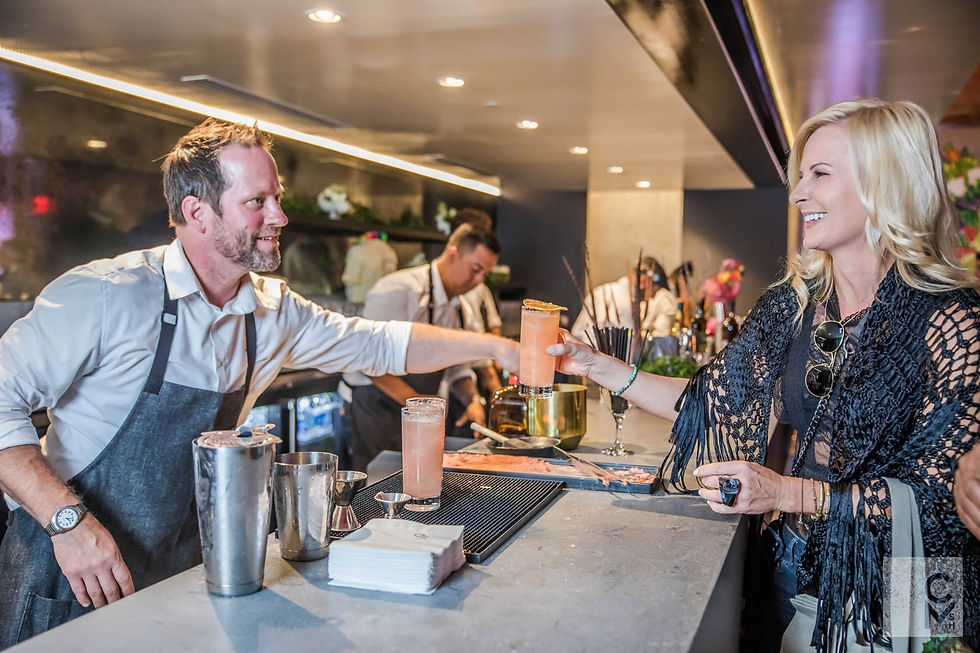
Beginning the venue conversation three to six months ahead gives teams time to align the guest list, food-service needs and travel schedule. For a spring 2027 program, November is a useful point to turn an event idea into a dated brief, confirm budget and identify the people who will approve it.
Plan Your Los Angeles Tasting Event
Share your preferred date, estimated attendance, product categories and service format with City Market Social House. Include any cooking demonstrations, temperature-controlled storage or presentation requirements so the team can discuss a suitable layout and quote.
Plan your LA tasting event and explore a Downtown Los Angeles setting for your next food or beverage brand experience.
Comments